
Introduction
This year’s BeSecure 2025 Conference is a great opportunity to pause and look at security not only through the lens of technology but, above all, through the lens of mindset. The event, which brought together hundreds of participants, dozens of partners, and experts from various fields, clearly highlighted one thing: security today is a shared responsibility and an organizational competence, not just the domain of the IT department. A key concept that appeared throughout many presentations and behind-the-scenes conversations was the security mindset.
Security mindset is a culture, not a project
One of the strongest messages of the conference was that security cannot be “implemented” once and for all. A security mindset is a way of thinking that should be present in everyday project, business, and operational decisions. It is continuous vigilance, asking “what if?”, and the ability to look at your own systems, processes, and behaviors from the perspective of a potential attacker.
Speakers emphasized that real organizational resilience emerges at the intersection of technology, psychology, law, and economics. Even the best tools won’t work if people, processes, or communication fail.
Collaboration as the foundation of resilience
Another strong theme at BeSecure was the emphasis on cross-sector collaboration. A symbolic yet very concrete step in this direction is the Baltic Security Pact – a regional cybersecurity alliance bringing together local governments, public administration, business, academia, and technology communities.
The message was clear: in the face of growing scale and complexity of threats, no organization can succeed alone. Knowledge sharing, joint training, support for startups, and protection of critical infrastructure are elements that genuinely strengthen the resilience of the entire region.
Community Stage: security from the practitioners’ perspective
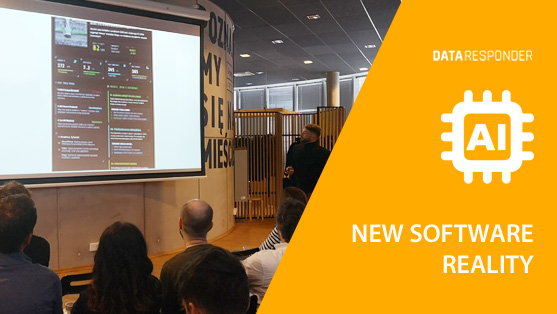
A big highlight was the Community Stage – a space where Tri-City IT communities met: from backend and frontend, through ML and data science, to embedded and hardware. Conversations about security moved from slide decks to code, architecture, and everyday engineering decisions.
It was here that the idea resonated most strongly: the security mindset is born in practice – in code reviews, logging strategies, and questions asked during the design phase, not after an incident occurs.
Practical tips: how to build a security mindset in your organization
Based on conference discussions and presentations, here are a few simple but actionable principles that can be implemented immediately:
- Think about security from the very beginning – treat it as a core part of the project, not an add-on. Security by Design saves time, money, and stress.
- Think like an attacker – regularly ask: what could be abused, bypassed, or exploited here?
- Prepare people, not just systems – invest in team awareness, as humans are both the weakest and strongest link.
- Prepare “what if?” scenarios – plan responses to incidents before they happen, not during them.
- Ensure clear responsibilities – everyone in the organization should know their role in maintaining security.
- Ensure continuous learning – threats evolve, so last year’s knowledge may not be enough today.
- Think holistically – consider legal, business, and psychological aspects, not just technical ones.
Conclusions
This year’s BeSecure 2025 Conference showed that the security mindset is one of the key factors in the resilience of modern organizations and entire ecosystems. It is not a set of procedures but a habit of thinking and acting – strengthened through collaboration, education, and practice.
In a world where attacks are a matter of “when,” not “if,” those who can think about security daily – and build long-term resilience together with others – are the ones who succeed.